

DeKalb County is not one uniform real estate market
A home in an established Fort Payne neighborhood does not compete with the same properties as a Mentone cabin, a Rainsville subdivision home, or acreage near Ider. Even when two homes have similar square footage, elevation, road access, land, outbuildings, utilities, and proximity to everyday services can create very different buyer interest.
That is why a useful pricing and marketing plan starts with the property's specific setting. Sellers need comparisons that reflect the home buyers will actually consider alongside theirs, not simply every recent sale in the same county.
Price against the right part of the market
Fort Payne includes older homes near downtown, established neighborhoods, updated properties, rural edges, and homes with quick access to Interstate 59. Mentone and Lookout Mountain bring a different mix of cabins, cottages, wooded land, views, and second-home appeal. Rainsville, Fyffe, Sylvania, Henagar, Ider, Valley Head, and Collinsville each have their own housing patterns and practical considerations.
A strong market analysis separates these property types before adjusting for condition, acreage, improvements, and current competition. A broad county average may be interesting, but it is rarely precise enough to guide a seller's asking price.
- Compare city homes with similar city locations and services
- Treat mountain views, brow property, and cabin-style homes as distinct features
- Evaluate acreage, barns, workshops, fencing, and usable land separately
- Account for road type, driveway access, terrain, and distance to services
- Review active competition as carefully as recent closed sales
Terrain and access deserve an early review
Lookout Mountain, Sand Mountain, and the valleys between them give DeKalb County much of its character. They also create property-specific questions that can matter to buyers. A steep driveway, drainage pattern, retaining wall, wooded slope, shared road, or difficult turnaround may affect showing access, maintenance expectations, insurance questions, or the buyer pool.
Walk the property as if you have never visited it before. Make sure the address is easy to locate, the driveway and walkways are safe, limbs are trimmed, drainage areas are visible, and outdoor steps or railings are secure. If access changes with weather or requires special instructions, explain it clearly before a buyer arrives.
Prepare answers about utilities and rural systems
Outside the more densely served parts of Fort Payne and other towns, buyers may ask about septic systems, wells or public water, propane, internet, cellular service, private roads, and shared drives. Uncertainty about basic services can slow a decision even when the buyer loves the property.
Gather the information you already have and identify what needs professional confirmation. Do not guess about system capacity, boundaries, easements, or future availability. Clear records help a buyer investigate efficiently and help the seller avoid making promises that cannot be supported.
- Septic location, service history, and available records
- Public water or well information
- Electric, gas, propane, and heating sources
- Internet providers and service that has worked at the property
- Public, private, or shared road status
- Recorded easements, access agreements, surveys, and plats
Acreage and outbuildings need their own marketing plan
For a home with land, the house is only part of what the buyer is evaluating. Usable acreage, pasture, woods, fencing, water features, barns, workshops, detached garages, and equipment storage may be central to the purchase decision.
Aerial photography can help explain the layout when it is used lawfully and does not imply unverified property lines. Ground-level photographs should still show access, topography, structures, fencing, and the relationship between the home and the land. If a survey is available, have it ready rather than drawing informal boundary lines on marketing images.
- Clean and safely open useful outbuildings for showings
- Repair loose gates, obvious trip hazards, and unsafe steps
- Organize receipts or records for major improvements
- Identify water, power, and access available to each structure
- Be specific about what remains with the property
Condition matters differently in different properties
A buyer considering an in-town Fort Payne home may focus on roof age, HVAC, electrical updates, windows, foundation or crawlspace condition, and the quality of interior improvements. A buyer looking at a mountain cabin or rural property may add moisture, drainage, tree maintenance, road access, well or septic questions, and outbuilding condition to that list.
The goal is not to renovate everything. It is to identify the items most likely to affect financing, inspection negotiations, insurance, or a buyer's confidence. A focused pre-listing walk-through can help separate high-impact work from projects that may not improve the seller's bottom line.
Market the lifestyle with facts, not vague claims
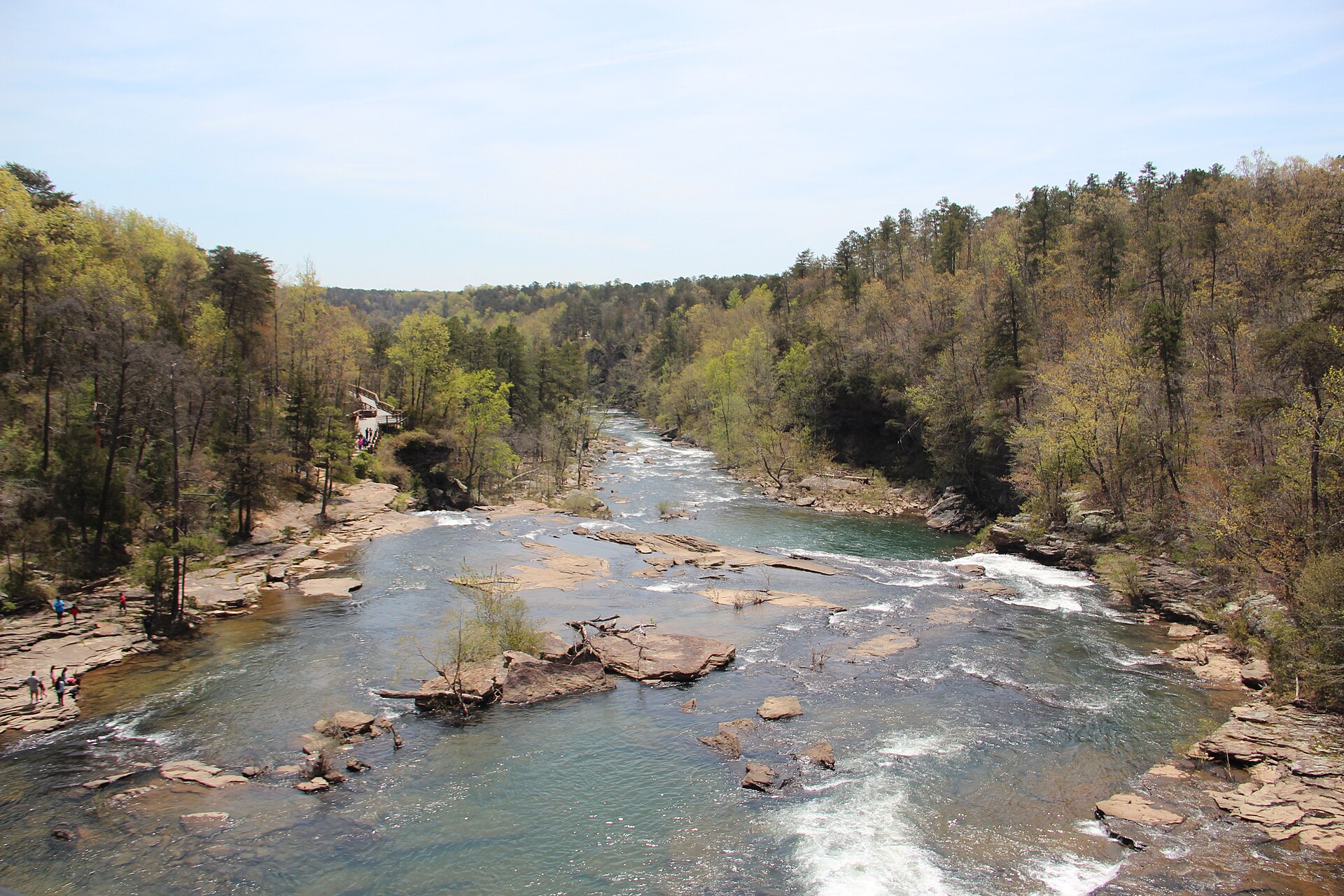
DeKalb County's setting is a real marketing advantage. Little River Canyon National Preserve, DeSoto State Park, Mentone, downtown Fort Payne, and the county's mountain and valley scenery give buyers meaningful reference points. The National Park Service maintains Little River Canyon National Preserve, and Alabama State Parks reports more than 35 miles of hiking trails at DeSoto State Park.
Use those attractions to help an unfamiliar buyer understand the area, but keep the property description accurate. State actual locations and verified features. Avoid promising a particular commute, view, rental use, school assignment, or proximity without confirming the details that apply to the property.
Photography should explain where the buyer is
The first image should make the property worth a closer look. The complete set should then answer questions. In Fort Payne, that may mean showing the approach, neighborhood context, outdoor living areas, and interior updates. For a mountain or rural home, include the road approach, driveway, terrain, view, wooded areas, land, and outbuildings.
Seasonal presentation can matter. Clear leaves and debris from roofs, porches, decks, gutters, steps, and drives. Trim only what improves safety and presentation without damaging the property's natural character. Good photographs should make the setting understandable while representing current conditions honestly.
Think about the buyer before choosing the message
A Fort Payne or DeKalb County property may appeal to a local move-up buyer, someone relocating to Northeast Alabama, a buyer seeking acreage, or a person drawn to the outdoor setting around Lookout Mountain. The listing should lead with the features most relevant to the property's likely audience while remaining welcoming and factual.
A home near downtown Fort Payne should not be marketed like a secluded cabin, and a working rural property should not be reduced to interior photographs. When the message matches the property, qualified buyers can recognize the fit sooner.
A practical DeKalb County pre-listing checklist
- Gather the deed, survey, plat, easements, restrictions, and title documents you have
- Collect septic, well, utility, roof, HVAC, and improvement records
- Walk the driveway, drainage areas, steps, decks, retaining walls, and outbuildings
- Confirm how the property is accessed and whether any road or drive is shared
- List the features of the land and structures without guessing about boundaries or permitted uses
- Prepare the home and setting for photographs, including the approach from the road
- Compare the property with the correct Fort Payne, mountain, rural, or small-town competition
- Estimate likely proceeds before committing to repairs, concessions, or a pricing strategy
Local guidance for selling in Fort Payne and DeKalb County
With 19 years of real estate experience, I help Northeast Alabama sellers build a plan around the property they actually own. That may be a home in Fort Payne, a cabin near Mentone, acreage in Ider, a house in Rainsville, or a rural property elsewhere in DeKalb County.
If you are thinking about selling, we can begin with a no-pressure conversation about value, preparation, timing, and the buyer most likely to appreciate your property. The goal is a clear strategy that protects your time and keeps the seller's bottom line at the center of each decision.